
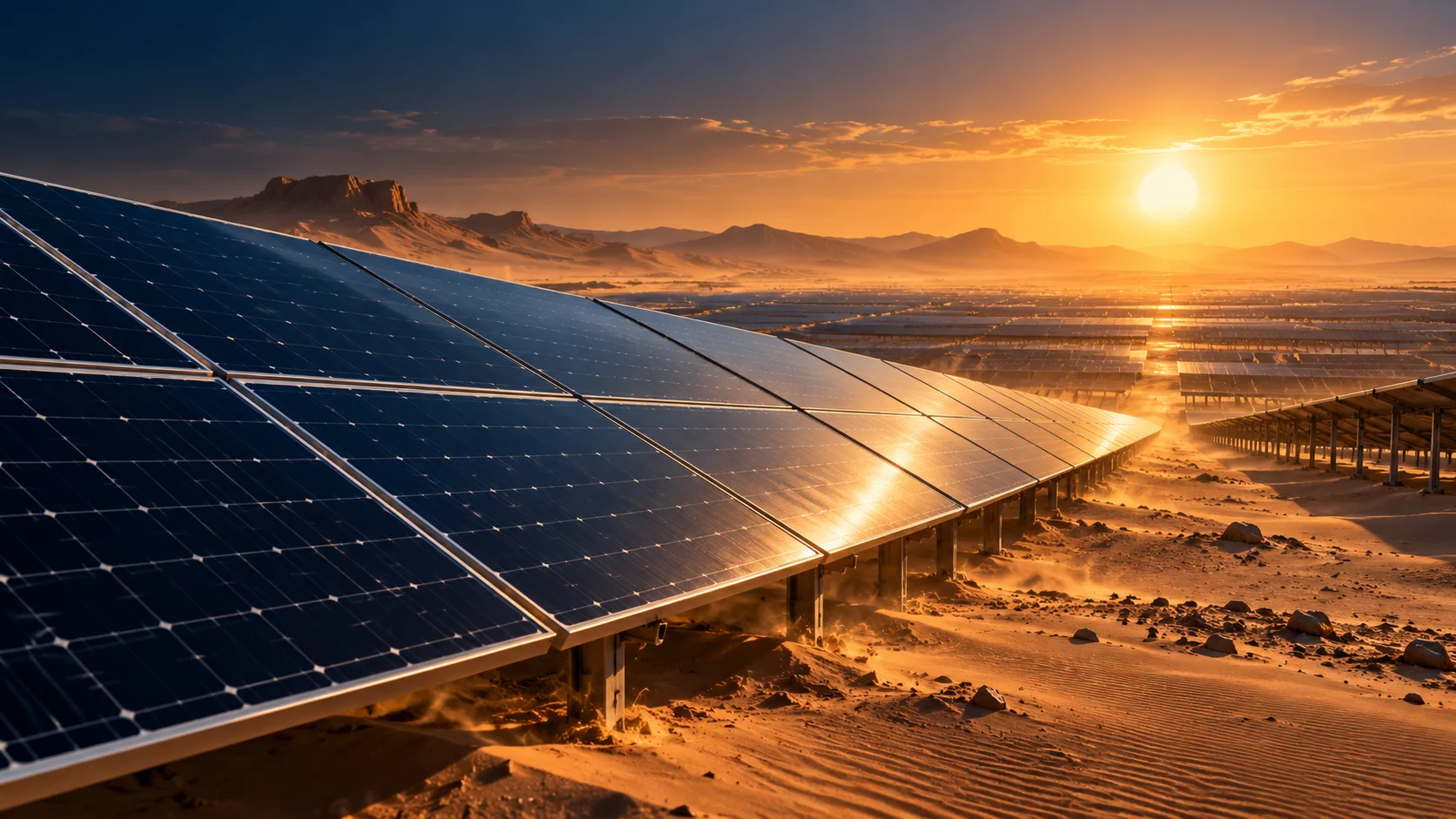
Qatar has abundant sunshine. But more sunlight does not automatically mean more electricity.
Solar panels turn light into electrical energy, yet high operating temperatures can reduce the output of many photovoltaic technologies. Dust can also block incoming light, while cleaning uses resources. These are practical engineering problems—not reasons to abandon solar energy.
Researchers test different panel designs, coatings, maintenance schedules and performance-monitoring methods under local conditions. Qatar Foundation describes solar research and outdoor testing within its research ecosystem. The goal is to understand what works in a desert climate rather than relying only on laboratory ratings.
Sunshine is only part of the equation
Solar panels convert light into electricity, but hot weather does not automatically improve performance. Many photovoltaic cells become less efficient as their temperature rises. Dust can also block incoming sunlight, while frequent cleaning uses water and maintenance resources. This creates a fascinating engineering challenge in desert climates: how do you capture abundant sunlight while reducing the penalties imposed by heat and sand?
Designing for the place, not the brochure
Researchers can compare panel materials, mounting angles, cleaning methods and monitoring systems under local conditions. The most useful result is not necessarily the panel with the highest laboratory efficiency; it may be the system that produces reliable electricity at a manageable lifetime cost. Qatar offers a relevant context for exploring solar engineering, energy demand and water-efficient maintenance. Avoid promising that a single new coating or robot solves every desert-solar problem until independent field data supports the claim.
The QScience takeaway
The next time you see a solar panel, remember that the real innovation may be in keeping it productive on the hottest, dustiest days.