
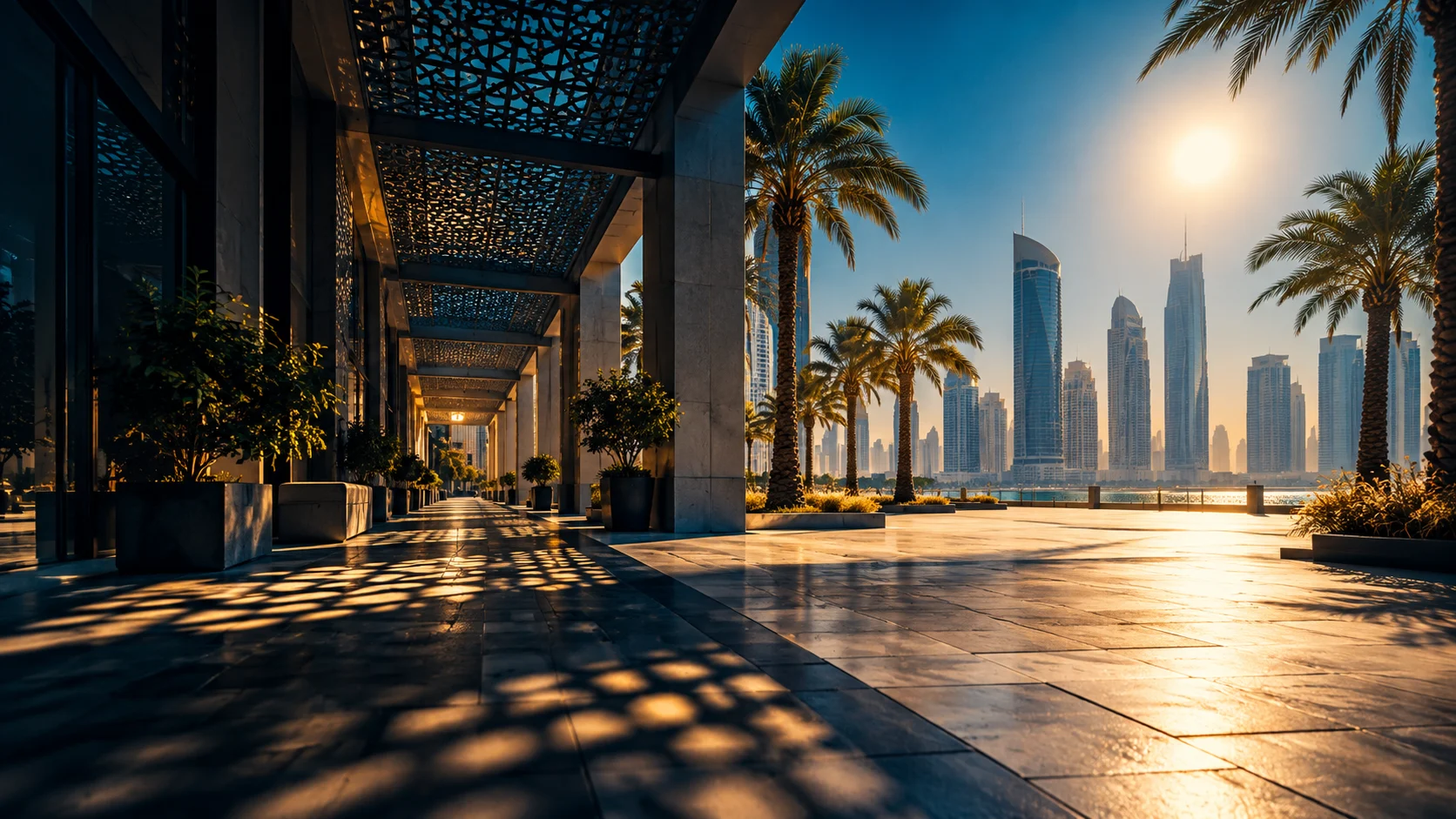
Two places can have the same weather forecast but feel surprisingly different.
Roads, buildings and dark surfaces absorb and release heat. When cities have limited shade and airflow, they can develop an urban heat-island effect. The pattern depends on local materials, building density, wind and the time of day.
Scientists study ways to reduce heat exposure, including shade, reflective materials, better building design and vegetation where water use is appropriate. No single solution works everywhere: a reflective surface may reduce one kind of heat while changing glare or pedestrian comfort.
Why concrete changes the temperature
Cities replace some natural surfaces with roads, roofs and buildings that absorb and store heat. The arrangement of streets can restrict airflow, while vehicles and air-conditioning equipment release additional heat. This combination contributes to the urban heat-island effect. The result varies by neighbourhood, time of day and local weather. A city can feel especially uncomfortable after sunset when stored heat continues to escape from built surfaces.
What can urban designers test?
Shade, reflective materials, vegetation and better building design may reduce heat exposure, but each solution has constraints. Trees need water; reflective surfaces can affect glare; cooling systems use energy. Researchers measure air temperature, surface temperature and human thermal comfort because those are not interchangeable. Qatar’s hot climate offers a clear reason to explain this science through practical questions: where should shade go, which surfaces become hottest and how can design improve outdoor comfort?
The QScience takeaway
In a hot climate such as Qatar’s, understanding urban heat is not just an environmental topic. It connects architecture, public health, energy demand and the everyday experience of walking through a city.